Plant Ecology in a Changing World
  • Home
  • Overview
  • Instructors
  • Students
    • Biomes >
      • What is a climate diagram
      • Climate diagram possibilities
    • Plant function
    • Models
    • A changing world
  • Table of Contents
  • Utah Campus
    • Campus Overview
    • Grasses
    • Green infrastructure >
      • GI Overview
      • Stormwater >
        • GI 1
        • GI 2
        • GI 3
        • GI 4
        • GI 10
      • Green roof
      • Pollinator >
        • Pollinator species
    • Trees of the Wasatch
    • Shrubs of the Wasatch
    • Invasives

Stormwater green infrastructure across campus

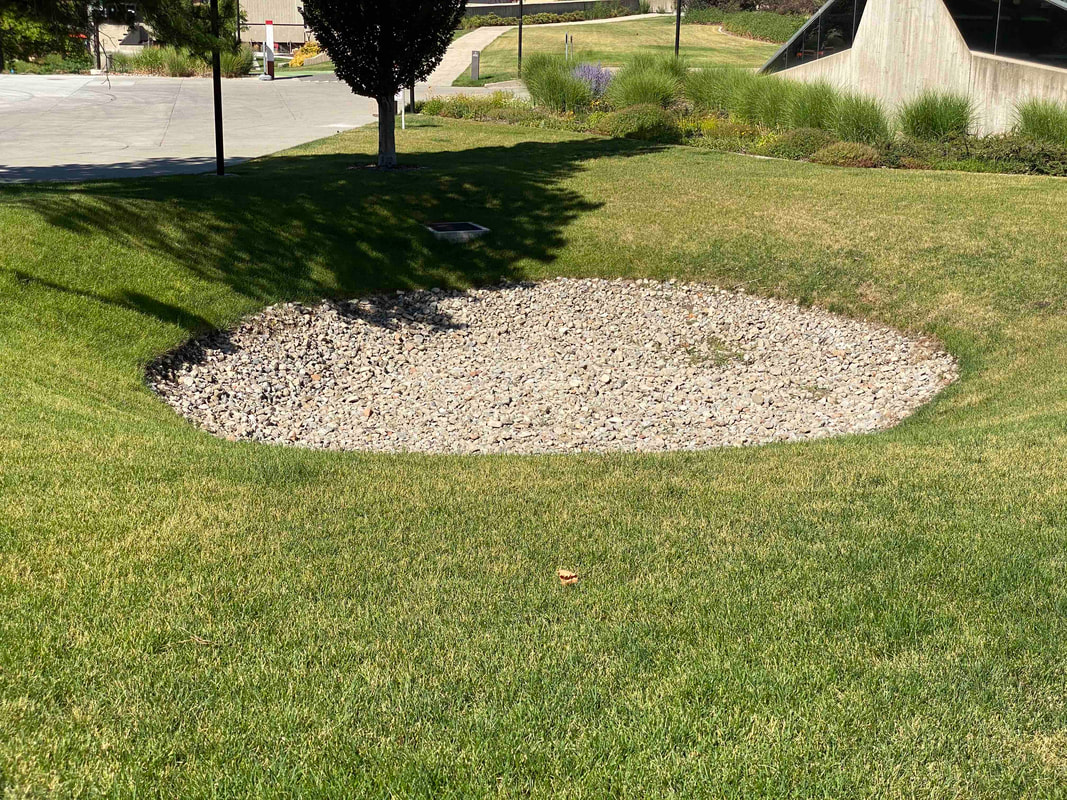
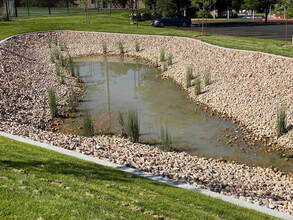
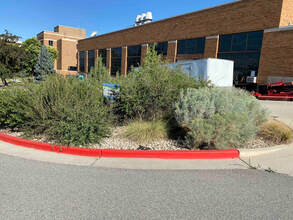
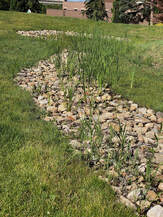
On our campus, you will find many different designs of green infrastructure to manage stormwater flows before that runoff enters the stormwater or groundwater system. Two stormwater green infrastructure applications are common. First is to slow down the rate at which runoff water from impervious surfaces enters the stormwater system and allow for penetration into groundwater. Second is to act as a catchment, capturing stormwater and road pollutants water is then evaporated by plants or pollutants that are decomposed by the soil microbial community. We find many forms of stormwater green infrastructure on campus and below are links to five examples.The Center for Ecological Planning + Design is developing a Landscape Lab in Research Park to explore the functionality of different green infrastructure designs and different plant compositions.
Picture
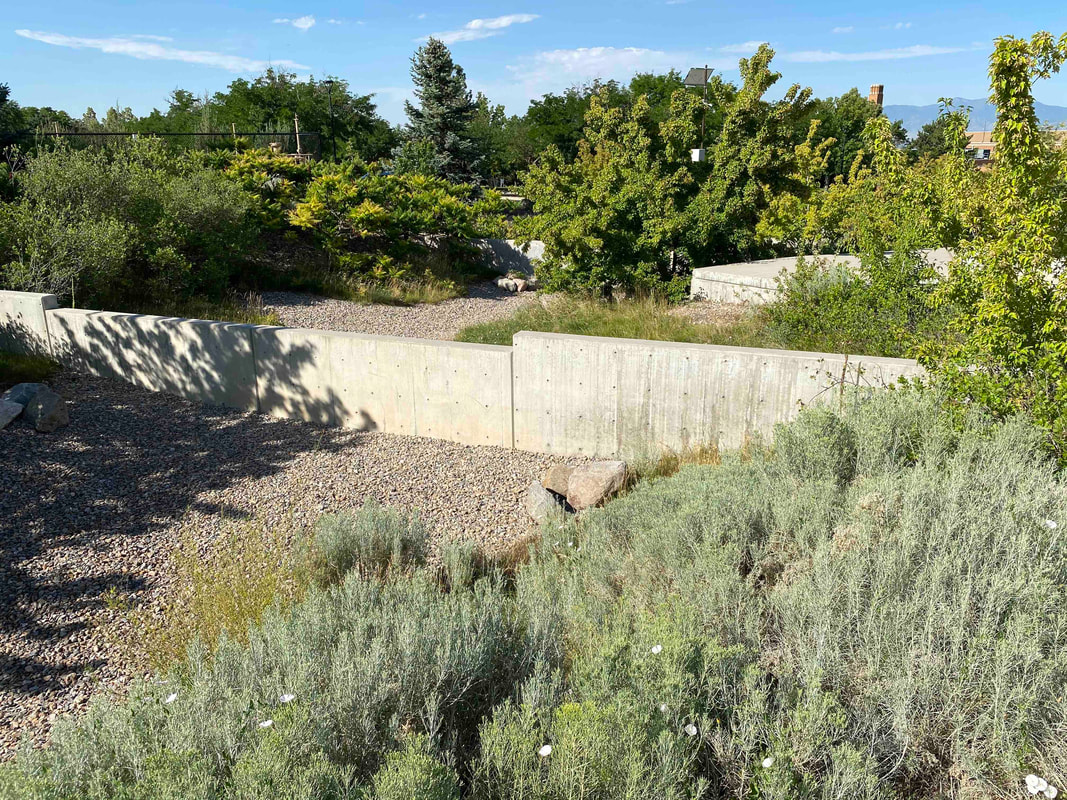
Gravel basins planted with a mix of native riparian and upslope vegetation
Picture
Catchment without planted vegetationGI 4
Picture
​High volume basin with native riparian vegetation
Picture
Curbside catchment with native arid land vegetation
Picture
​Narrow linear basin with native riparian vegetation
Jim Ehleringer, University of Utah